
The Greek National Intelligence Service (Gr.: Εθνική Υπηρεσία Πληροφοριών, EYP) is the main security and intelligence agency of the Hellenic Republic. Its tasks include collecting, processing, and disseminating information related to national security, counterintelligence, counterterrorism, cyber threats, organised crime, and ensuring the security of national communications. Amid rising geopolitical tensions, the EYP is at the core of ensuring that Greece is prepared to meet the evolving global threat landscape.
1 Historic Overview
The EYP traces its roots to 1926 with the formation of the “State Security Branch.” Not long after, in 1936, it was superseded by the “Defense Intelligence Branch,” which in turn became the “General Directorate of Foreign Citizens.” During World War II, its main focus was linked to counterintelligence. In 1953, Greece established the “Central Intelligence Service” (Gr.: ΚΥΠ, KYP), which resembles the modern-day agency. Western intelligence agencies, mainly the American CIA, served as a model. [source]
In the wake of the Cold War, the KYP primarily kept track of the communist movement in Greece. However, it was also a key actor in maintaining the ruling autocracy of the Greek Junta between 1967 and 1974. It contributed to crackdowns on domestic upheavals against the regime.
In the 1980s, after the fall of the ruling dictatorship, the service was reformed from the “Central Intelligence Service” into the “Greek Intelligence Service” (NIS-EYP). The change aimed to modernize the agency to meet international norms. [source]
In the 21st century, the EYP continues to adapt to evolving threats by increasing international collaboration, working with academia, and adding cybersecurity to its list of priorities.

1.1 Motto
EYP’s motto is the Greek phrase “Do not reveal secrets” (Gr.: Λόγων ἀπορρήτων ἐκφορὰν μὴ ποιοῦ. Attributed to Periander of Corinth, 600 B.C., it highlights the service’s commitment to discretion and confidentiality in carrying out intelligence work. [source]
1.2 Emblem
The emblem of the EYP features a globe and a torch. It symbolises the search of truth all over the world, according to the official website.

2 Organisation and Structure
EYP has its headquarters in Athens and has multiple regional units across the country. It reports directly to the Greek Prime Minister. The service is structured into multiple directorates and offices:
- Intelligence and Analysis Α
- Intelligence and Analysis Β
- Cyberspace
- Internal and International Relations
- Information Systems
- Site Security & Surveillance
- Administrative Support and Human Resources
- Financial Services and Infrastructure
- Financial Inspector
- Historical Archives and Historical Museum section [source]
EYP also directs multiple internal offices:
- Office of the Legal Adviser of the Legal Council of State
- Office of the Public Prosecutor at the Athens Court of Appeal acting solely within EYP
- Centre for Technological Support, Development and Innovation
The exact number of the mostly civilian employees is classified, but estimates range between 1300 and 3000 employees. It’s budget for 2025 is around 35,7 million €. [source]
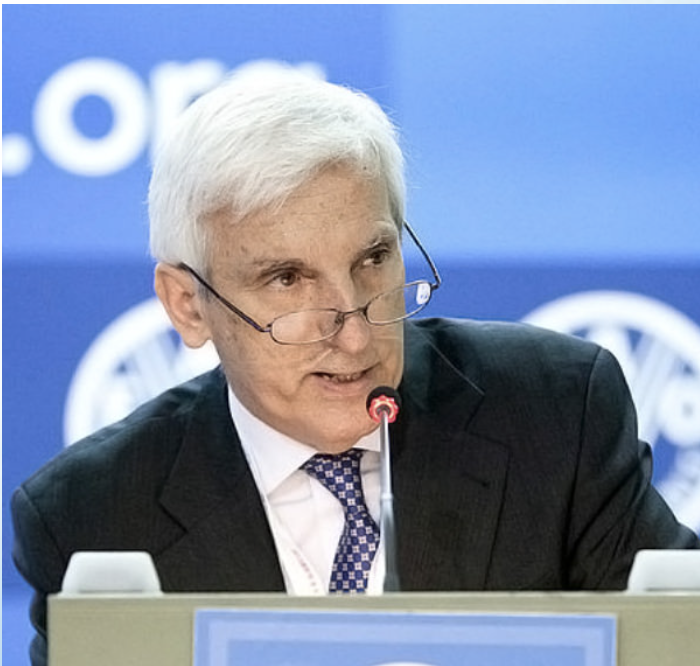
2.1 Recent Reforms
A 2024 presidential decree introduced further reforms to modernise the EYP. Key changes included the establishment of a unified Operations Directorate and a unified Analysis Directorate to manage integrated intelligence collections and assessments. Additionally, it encompasses the creation of specialised professional branches, mandatory training via a newly founded Intelligence and Counterintelligence Academy, and a compulsory minimum ten-year service period for recruits. [source]
The reforms were meant to strengthen cyber integration of artificial intelligence (AI) and data analytics. The decree also mandated the creation of an Internal Audit Unit for better oversight, a Press and Communications Office, and a Historical Archive and Museum to preserve EYP’s legacy.
3 Mission and Security Challenges
EYP’s main mission is to collect, process, and disseminate intelligence related to national security, combat foreign espionage and terrorist activities, and to address threats to critical infrastructure, national sovereignty, and civil order. EYP also coordinates with Greece’s Hellenic Police, Armed Forces, other ministries, and internationally with EU, NATO, and partner agencies.
Greece faces a wide range of national security challenges. Some resemble the threats faced by other Western agencies, others reflect the country’s geographic proximity to Africa and the Middle East. Hence, the areas of responsibility include:
- Counterterrorism: In addition to the activities of predominantly Sahel-based terrorist groups, the rise of smaller autonomous groups, lone wolves, radicalization and recruitment through online channels pose an additional challenge.
- Cybersecurity: There is a growing concern regarding cyber attacks linked to conflicts, particularly in the context of the Russia-Ukraine war. Media reports highlighted a major recruitment campaign in early 2025, highlighting the increased need for cybersecurity specialists. [source]
- Counterintelligence: Foreign actors attempt to gather sensitive information through infiltration, targeting of academic institutions, and using social media for recruitment.
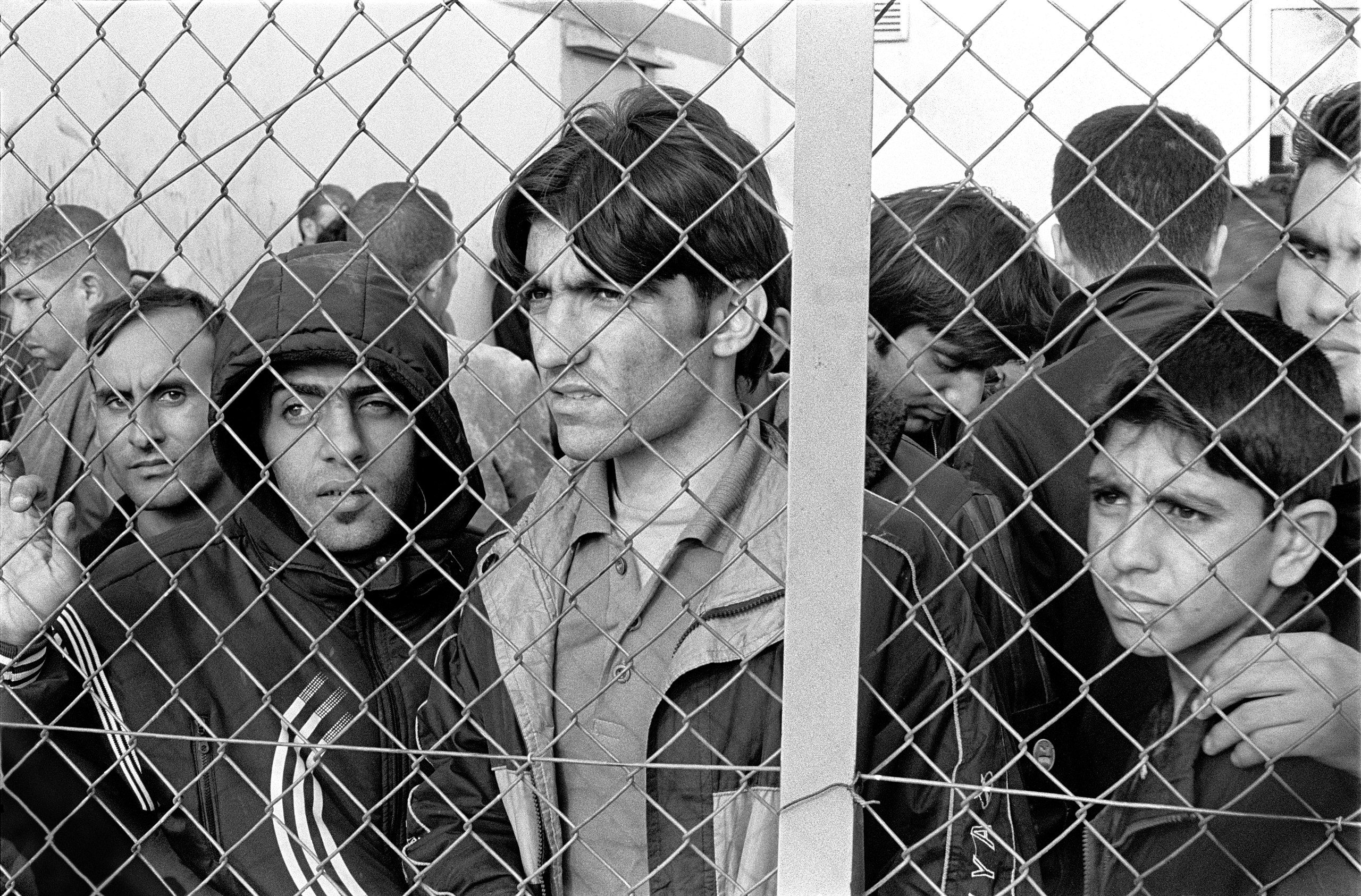
- Illegal immigration: In recent years, Greece observed a significant increase in illegal entries into the country, driven by conflicts like that in Gaza. The involvement of organized crime in migrant smuggling highlights the complexity of this issue.
- Organized Crime: Organized crime is often intertwined with terrorism and illegal migration. [source]
Greece’s role as a member of NATO and the EU, its proximity to conflict zones, and its role in transportation, communication, trade, and arms transport networks make it particularly vulnerable to external and internal threats, requiring a holistic approach to ensure national security. [source]
4 Criticism
The Greek intelligence community is tainted by its history of politisation. Its activities during times of authoritarian rule in Greece particularly damaged public trust. While the EYP has undergone significant changes since the 1980s, mandating regular reporting to parliament and judiciary checks, and facilitating efforts towards more public presence, its reputation remains challenged. [source]
In 2021 – 2022, EYP covertly surveilled opposition politicians, journalists, and cabinet members using spyware. This caused a major political crisis and led to resignations, a European Parliament investigation, and a drop of Greece’s press freedom rank. [source, source, source, source]
In the past, the Greek intelligence community also lagged behind other Western agencies in coordination, effectiveness, and technological infrastructure. The EYP plans to address these challenges by investing in staff, new technologies—such as satellite communications and AI—and measures to increase transparency and improve public perception. [source, source, source]

5 Conclusion
The EYP maintains a key role in Greece’s national security framework. It evolved from a Cold War agency and a tool for an authoritarian regime into a valuable ally of NATO and EU partner agencies, resembling the changes that the Hellenic Republic faced over the past decades.
That said, the legacy of politisation, corruption, and abuses of power with lacking oversight continue to limit its effectiveness and undermine public trust. Frequent and ongoing reforms aimed to address these issues. They aim to improve the service’s position in the 21st century aim to address these bottlenecks. Efforts such as opening a public museum, publication of annual reports, new channels for press communications, and investment in new hiring and modern technology signal a change in direction for the agency. However, it remains to be seen how effective and sustainable these efforts will be.