
1.0 Executive Summary
This firsthand account of events in the Republic of Venezuela is based on an eight-week in-country visit between April and June 2026. It includes direct observation of political, security, economic, and social dynamics associated with the ongoing transition process, as well as multiple personal interviews with individuals affected by governance processes and business developments in Caracas and Bolivar.
Venezuela has almost certainly entered an irreversible political transition following the removal of Nicolas Maduro. Decision-making within the Transitional Government and the Venezuelan Opposition remains heavily influenced by the White House. Public expectations of an immediate recovery are increasingly diverging from the realities of a transition directed by Washington and implemented by Miraflores. Continuing widespread opposition to the former regime is balanced against frustration with the current government’s perceived inability to restore economic stability and rebuild state institutions; declining purchasing power and inconsistent pricing mechanisms are key primary drivers of public unrest.
Foreign investment behaviour has shifted from expedient optimism to cautious engagement, with companies increasingly deploying political risk assessors alongside commercial teams. Despite partial stabilisation in certain security and diplomatic domains, structural weaknesses in critical infrastructure and governance capacity continue to constrain recovery and are likely to remain the principal limiting factors.
2.0 Political Transition
The country almost certainly is undergoing an irreversible transition, which is unfolding over the long term and is unlikely to meet the short-term expectations of the population in Venezuela. During our eight-week visit, we observed multiple indicators that suggest both the interim government and the opposition coalition are making most political decisions in accordance with the parameters and timetable set by the White House.
Arriving in the country through the main international airport located in Vargas State provided a first-hand experience of the political process taking place. A denied area, where foreigners were detained on arrival up until just last year, it is now a busy terminal flooded with passengers, including political exiles and foreign investors from Europe and the U.S. Aboard our inbound flight was an opposition leader who was previously living under threat and was returning to the country after eight years of exile in Spain.
Based on multiple interviews we conducted with different sources across the local political spectrum, we assess with high confidence that the noticeable reduction of political state surveillance at the Maiquetia International Airport is highly likely to be a direct consequence of Operation Absolute Resolve. Among these sources was a previously exiled opposition leader from the Unitary Platform and a senior officer from the National Police.
Complementing the indications we observed on arrival are the limited but ongoing releases of political prisoners from state prisons and black sites across Venezuela. According to human rights organisations, more than eight hundred political prisoners have been released as of June. These liberations normally happened during our visit in a constant pattern that matches the arrival of senior United States military or diplomatic personnel to embassy grounds in Valle Arriba.
Washington’s presence is public and overt in Caracas, with the Chacao Marriott being called the “Spooks Hotel” in the diplomatic circuit and Marines travelling the capital skyline aboard Ospreys. As we saw in close-up during the visit to Caracas of General John Daniel Caine from the Joint Chiefs of Staff, the Marine Corps security detachment is working closely with armed escorts from the National Police and the Venezuelan Intelligence.
Indications of a liaison relationship between Caracas and Washington security personnel are already visible in the country’s Counterintelligence Directorate. Boleita officers were no longer seen in the streets wearing military uniforms (some special forces operators guarding their headquarters or the president’s residence are the exception), and the assault rifles have been slowly replaced by pencils and notebooks. Based on these observed dynamics, we speculate that this could suggest a local effort to signal alignment with Langley culture since soon after January.
3.0 Social Climate
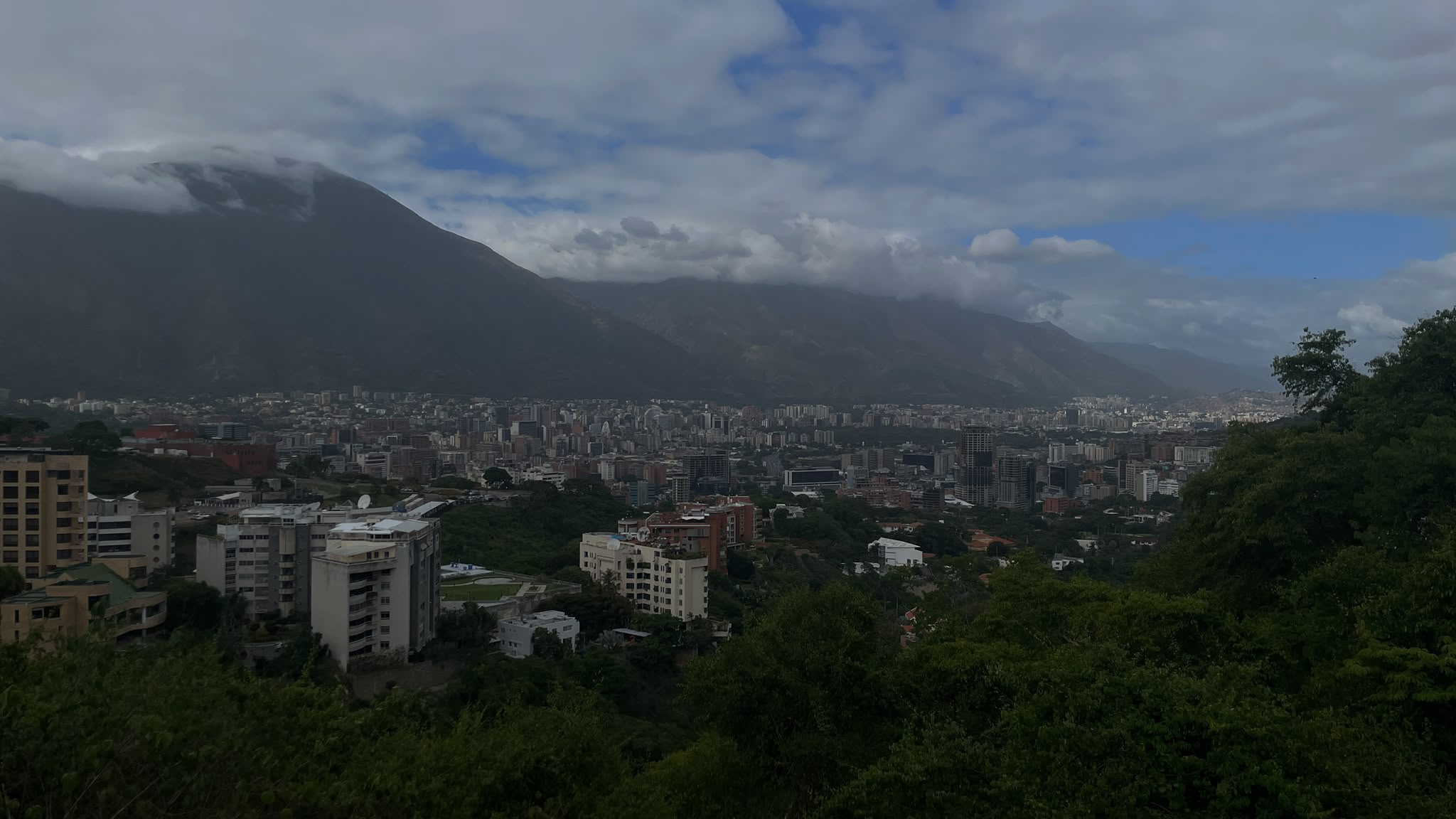
Locals’ perception of the threat posed by security services and paramilitary organisations linked to the Socialist Party has relaxed following Venezuela’s visible decrease in political repression. Previously commonplace personal security practices, such as deleting conversations on social media or mobile devices, are a thing of the past, and discussions about happiness for the capture of Nicolas Maduro are the new norm in the shantytowns surrounding the capital, the former power bases of Hugo Chavez.
Elements of the intelligence apparatus that formerly were associated with surveillance and detention operations are now the subject of more positive and engaged responses from locals in certain villages in rural areas. According to visual evidence posted on social media, marked patrols catalyse gatherings of residents rather than avoidance. We speculate based on observed local civilian behaviour that this shift is likely attributable to the involvement of these units in the release of formerly incarcerated individuals.
Despite these developments, as of June, the civilian population’s frustration over political transition efforts spearheaded by the United States is slowly growing. Over the past eight weeks, protests outside the embassy in Caracas have intensified, with demonstrators expressing concern that the United States is lenient toward Miraflores and is failing to advance institutional reforms or ensure the release of the remaining political prisoners.

4.0 Critical Infrastructure
Electrical power remains unreliable throughout Venezuela. During our time in Caracas, electricity was disrupted at least twice per week, requiring the use of a portable generator to keep laptops, mobile phones, and other essential equipment operational. Internet connectivity is heavily dependent on the electrical grid, and power outages are frequently accompanied by network disruptions. While fibre-optic connections generally provide greater reliability than standard broadband services, they remain vulnerable to prolonged blackouts and are not immune to service interruptions.
Water rationing continues to affect large segments of the population. Wealthier households and residential complexes have increasingly relied on newly constructed water storage systems and private tanker deliveries to offset chronic shortages. In contrast, lower-income communities frequently experience interruptions lasting days or weeks. Available tap water is widely regarded as non-potable, forcing residents to rely on bottled or treated water for drinking and other essential uses.
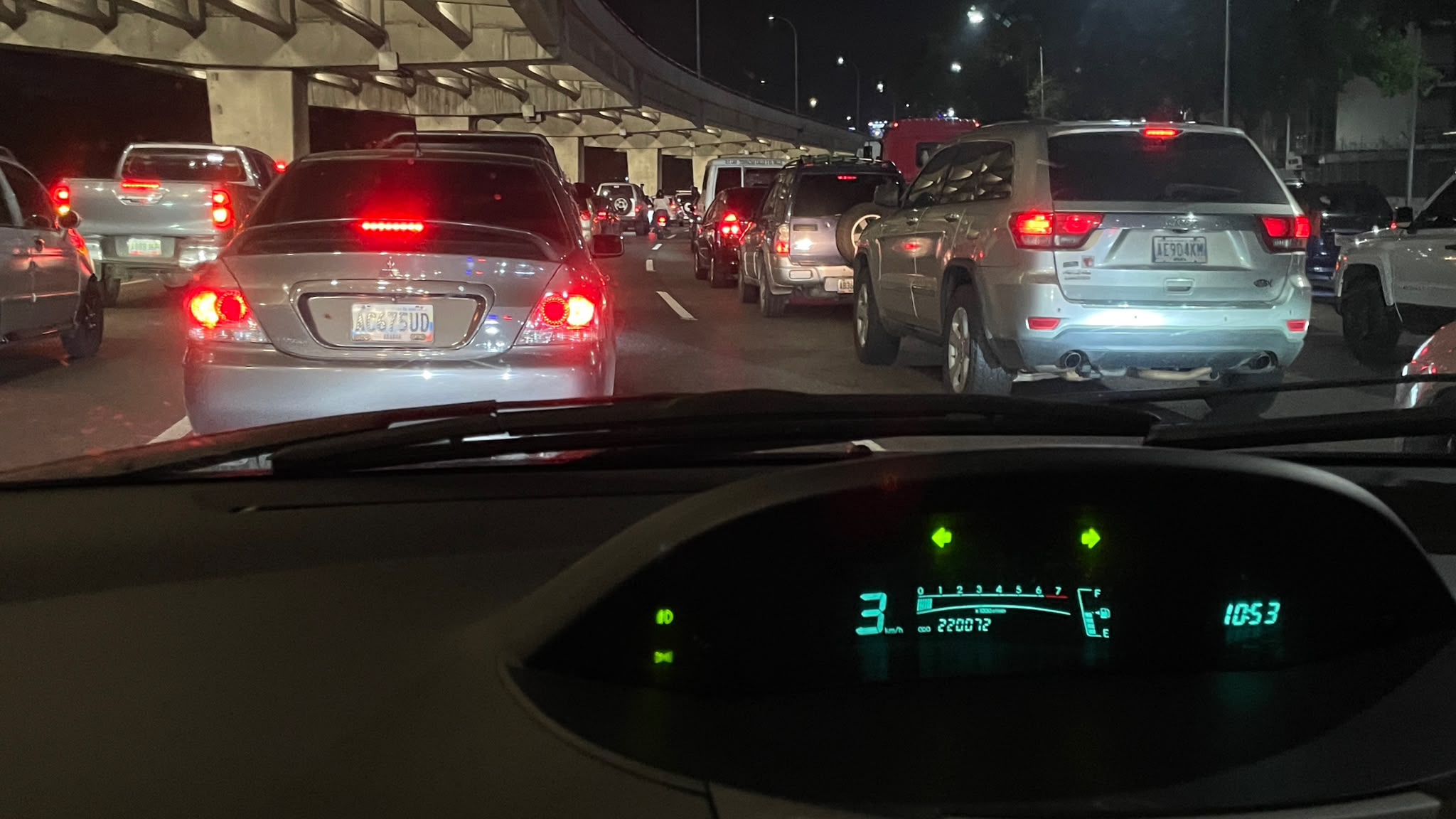
Road conditions are generally poor, with deteriorated pavement and limited enforcement of traffic regulations contributing to elevated travel risk. Safety declines progressively with distance from the capital, where infrastructure maintenance and oversight are more limited. Traffic accidents involving motorcyclists are reported daily, and driving conditions are characterised by inconsistent adherence to traffic rules. While some municipalities, including Chacao and Guaicaipuro, have introduced traffic monitoring systems to deter reckless driving, these measures remain largely limited to Caracas and Miranda.

5.0 Economics and Investment
The outlook for Venezuela’s economy at the consumer level continues to deteriorate, with local contacts reporting current conditions as worse than those observed before January. We assess that two key factors are driving this trend: exchange distortion on the black market and rising unemployment. The gap between the official exchange rate and the black dollar market has largely disappeared. Last year, a spread of approximately thirty per cent enabled Venezuelans to exchange dollars on the parallel market and convert the proceeds at the official rate, providing a modest boost to their purchasing power.
With that arbitrage opportunity effectively eliminated, households have experienced a significant decline in real purchasing power. Second, luxury-oriented businesses across the country have contracted significantly following Maduro’s capture, with many high-end retailers suspending operations or closing entirely. This has contributed to rising unemployment and an expansion of the available labour force. We assess that the resulting increase in labour supply has intensified competition for employment opportunities, placing downward pressure on wages across multiple sectors of the economy.
Prices are highly inconsistent and frequently depend on the payment method rather than the value of the goods themselves. Cash remains the preferred form of payment, with merchants often offering discounts for transactions made in dollars. In contrast, payments made with bank cards increase the final price due to exchange-rate adjustments and transaction fees. We assess that this dual-pricing environment reflects persistent market distortions and the continued reliance on informal financial practices.
The initial surge of United States investors seeking to secure an early contract in the Venezuelan market has diminished as of June. While commercial opportunities remain available, first-hand knowledge of ongoing business development efforts in the mining sector indicates that investors are adopting a more cautious approach to market entry. We assess that this trend reflects declining confidence in the Transitional Government’s ability to provide a predictable regulatory environment and maintain the conditions necessary for sustained commercial activity.
Throughout the reporting period, a noticeable shift was personally observed in the composition of foreign delegations openly operating in Caracas, particularly within hotel zones in the eastern district of Chacao. Business development representatives who previously travelled and operated independently were seen accompanied (or in some cases replaced) by corporate security advisors and private intelligence personnel who belong to the same professional and personal circles frequented by the analyst.
Growing scepticism toward locally based risk consultancy firms is likely a contributing factor to this trend, as these entities are now being perceived by foreign stakeholders to be operating as access agents under the umbrella of Miraflores. Multiple interlocutors familiar with the business ecosystem in Caracas reported that early-stage assessments characterising Venezuela as a low-friction investment environment have not been borne out in practice, with operational conditions diverging significantly from initial expectations.
6.0 Threat Landscape
Despite a general reduction in overt political repression, certain elements of the security services and armed forces continue to present residual operational risks in Venezuela. Extortion at irregular roadblocks by uniformed personnel remains a recurrent issue across all areas of the country. In one instance, experienced while driving around midnight in the eastern district of Baruta, the author’s foreign appearance and ambiguity regarding affiliation appeared to reduce scrutiny at a checkpoint and facilitate passage without further incident.
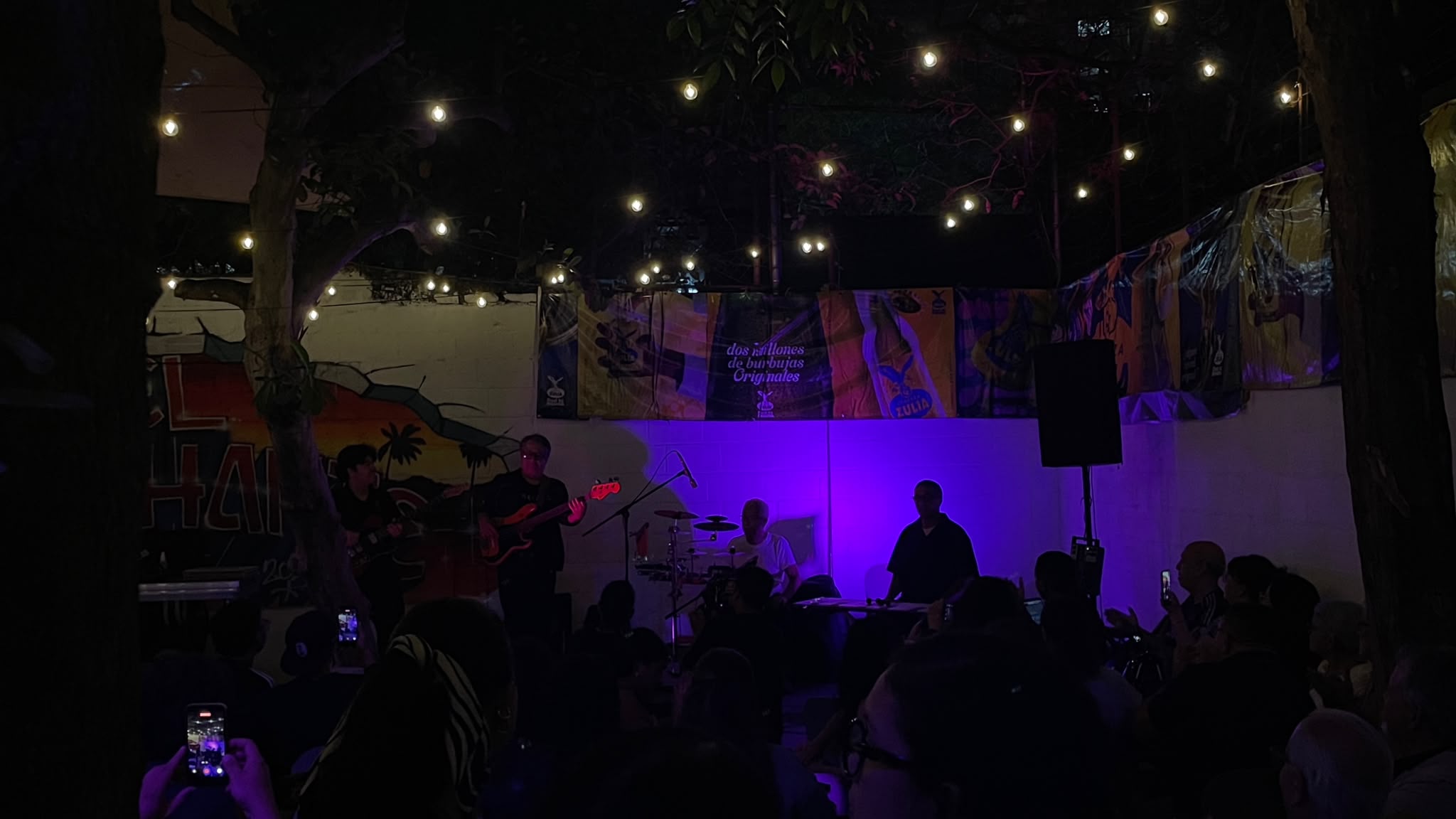
Additional threat vectors are likely to remain present but are less visible in day-to-day activity. Compared to the preceding five years (when the capital was reported to be one of the most dangerous cities in the region) public behaviour has noticeably shifted, with individuals now routinely using mobile phones openly in the street and moving during late-night hours without the same heightened awareness of robbery or kidnapping threats. This reflects an apparent reduction in overt violent crime affecting civilian activity.
We cannot rule out the possible effect of Maduro’s crime reduction campaign on current public security realities and perceptions. According to reporting from human rights organisations and independent social activists, these direct action operations against suspected criminals were associated with a significant number of fatalities, with estimates citing up to 10,000 citizens in alleged police engagements. Furthermore, we can not assess if the current security landscape can be sustained over time in Venezuela.